Three ways to own a car
I was convinced that financing was the expensive mistake in this story, so I paid cash for my car. Then I did the maths on the three options I actually had, and out came a rule nobody had ever told me.
I ended the last post promising to talk about the thing that quietly eats your months of "no". The app, the instant approval, the easy monthly payments.
I'm going to keep that promise, and I'll start with the perfect example.
I knew someone who changed cars constantly: before they'd finished paying for the one they had, they were already looking for the next one to finance. So every month that car cost them what it lost in value plus the interest.
They were burning through their months of "no" and they didn't even get to keep the car. And that's what bad debt is: the difference isn't the interest rate, it's whether you're left with something more than the memory of what you bought.
So far, the post I promised you
For years I thought debt was always bad, full stop. So when I bought my car I paid cash without a second thought. I felt like a financially clever person for about three weeks, which is roughly how long it took me to realise something.
The money I paid for that car wasn't sitting idle in an account. At the time it was on a peer to peer lending platform paying me 6.7% a year. That means lending your money straight to whoever needs it, with no bank in the middle. It was a temporary thing: I'd rather keep my money in index funds.
To pay for the car in one go I had to pull that money out of somewhere it was working and put it into an object that starts losing value the day it leaves the forecourt. So it didn't cost me £18,814: it cost me £18,814 plus everything that money was going to earn while I slept.
And that's the crux of it. If I'd paid monthly, that return would have covered part of the payment. What I was calling "not getting into debt" was taking my money out of somewhere it grows and putting it somewhere it shrinks.
So I did the maths: what would have happened after four years with each of these three options.
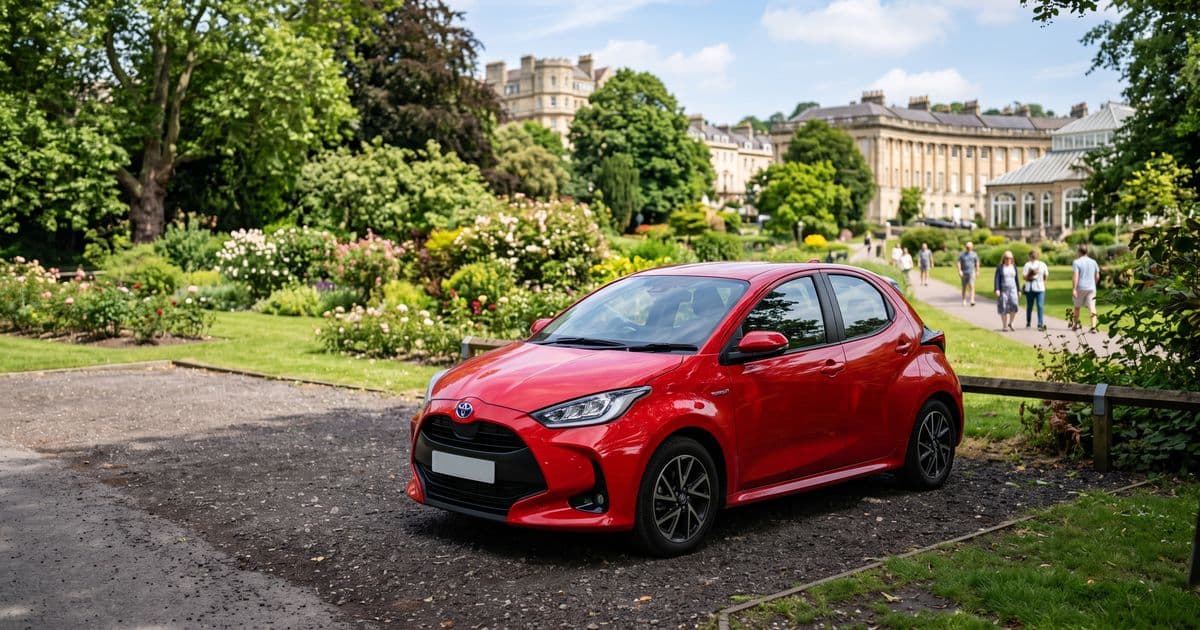
Option 1, paying cash, which is what I did. I paid £18,814 for a second-hand Toyota Yaris that was a year old. Fifteen months later I had it valued at the dealership and they'd give me £15,000 for it. So that's £3,814 of depreciation in fifteen months, £254.27 a month. Add the £105.04 a month of return I stopped earning, and owning it cost me £359.31 a month. After four years I'll have the car and nothing on the platform. For a five-year-old Yaris, a dealer currently pays between £7,500 and £11,500, depending on the state of it.
Option 2, leasing. On leasing.com, the same car cost £285 a month for four years (one payment up front and 47 more). The payments would have come out of the £18,814: after four years I'd have been left with £8,725 and I'd hand back the keys. No car.
Option 3, financed through the dealership. Nothing down: £351 a month for four years and then £7,500 more and the car is mine. The payments would also come out of the £18,814 invested, which would keep earning. After four years I'd have £5,203 left but I'd have to pay £7,500. I'd end up £2,297 in the red. With the car, mind you.
In all three I'd also pay insurance (£538.99 a year) and servicing (£30.99 a month), so they don't change which one wins. Road tax (£17.06 a month) does count: the lease includes it.
Against leasing there's no clear answer. Over those first months owning mine cost me more than the lease payment would have, because a car loses value far faster at the start. And over four years it depends on what I sell it for: if the car is worth £11,500 at the end, paying cash wins by around £2,000; if it's worth £7,500, leasing wins by around £2,000. They break even at around £9,500. And you never know that in advance.
Against the finance deal, the better option is obvious: I keep the car either way, but paying cash wins by £2,297, about £48 a month, whatever my Yaris turns out to be worth at the end. And it wins for a very specific reason: that finance deal worked out at 10.6% a year while my money was earning 6.7%, so I'd have been borrowing at a higher rate than I was being paid. Which is where the rule I'd never thought of comes from:
Compare what the finance costs you with what your money earns. If the loan costs less than your money generates, financing is worth it. If it costs more, pay cash.
But there's a catch in all my reasoning: the interest on a loan is something you know from day one. The return on your investments is only an expectation.
The question I never asked
The rule above is just the small version of a bigger question: what is my money doing while I pay for this?
And I only half answered it: I checked whether my money earned more than the loan cost. But there's a better answer I never even considered: that the thing you buy does the working. That the car pays for itself. I couldn't with mine, because of the city I live in, but it changes the question entirely: from "how do I pay for this car?" to "can this car pay for itself?". That's what the next post is about.
Because months of "no" aren't bought by saving. They're bought with assets: things that put money in your pocket.
So both bad debt and buying things that depreciate or vanish take months of "no" away from you. But not every decision is made on money: in my case, with a small child, having a car is enormously convenient.
Steer your money, or it'll steer you.
Did this article help?